 Henrique Matos
October 24, 2026 · 2 min read
AI didn't take my job, it moved where I spend my time
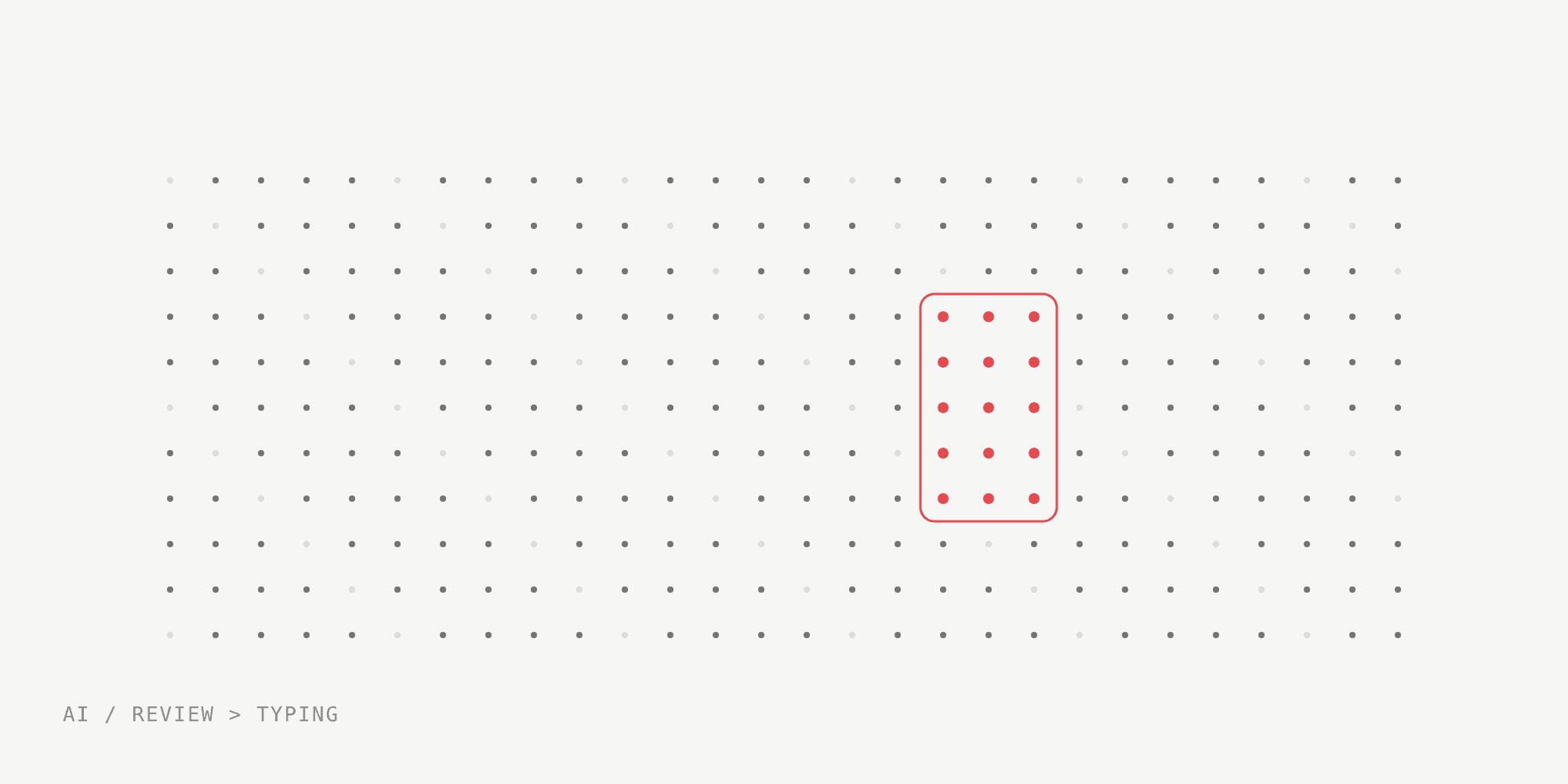
Most of the code that lands in my projects now goes through a model before it goes through me. And yet I've never worked this much with my head. AI didn't shrink the work, it moved the bottleneck: typing got cheap, deciding got expensive.
The bottleneck left the keyboard
A medium feature used to be a day of writing. Now the first draft takes minutes, and the day goes somewhere else: reading the diff, understanding what the model assumed, finding the case it missed. The job became review, and good review is harder than writing, because you have to know what the code should look like before you see what it does look like.
Writing the spec is the main skill now
The model does exactly what you asked, including when you asked wrong. A vague prompt comes back as plausible, generic code. A prompt with context, constraints and an example of the result comes back very close to what I'd have written. I spend more time describing what I want than writing code, and that made me better at thinking through the problem before I open the editor.
Where I don't let AI decide
- Architecture and data. I design the schema and service boundaries first. Getting those wrong costs months, not minutes.
- Security and money. Auth, permissions and anything that touches billing, I read line by line.
- Things I don't understand. If I can't explain what the code does, it doesn't ship, no matter how green the tests are.
When this doesn't apply
For small, throwaway code, reviewing this carefully is overkill: accept it, run it, delete it. And if you're just starting out, delegating too early skips the exact part that teaches you. AI speeds up people who already know where they're going; for people who don't, it speeds them confidently in the wrong direction.
In the end, the bar went up. Writing code stopped being the edge. Knowing what to ask for, spotting what's wrong and saying no is still a human job.